Fussy eater meals: 10 no‑fight dinners for toddlers
Let us start with the sentence every parent of a fussy eater needs to hear: this is almost never your fault, and it is almost always a phase. Food neophobia, the wariness of new foods, peaks between ages two and six in most children. It is a developmental stage, not a verdict on your cooking or your parenting.
That said, you still have to serve dinner tonight. So here is the practical bit, ten real dinners pulled straight from Joyora's own meal plans.
Why toddlers refuse food (the short version)
Toddlers are wired to be suspicious of new foods, an old survival instinct in a small opinionated package. Refusal is also one of the few levers of control a two year old owns. The counterintuitive move is to lower the stakes: research on repeated neutral exposure keeps showing that pressure, bribes and dessert deals make fussiness worse, while calm, repeated offering makes it better. Your job is to serve; their job is to decide how much. That division of responsibility takes the fight out of the table.
10 real dinners that tend to work
Each of these carries a built‑in safe element or a way for the toddler to control something on their own plate.
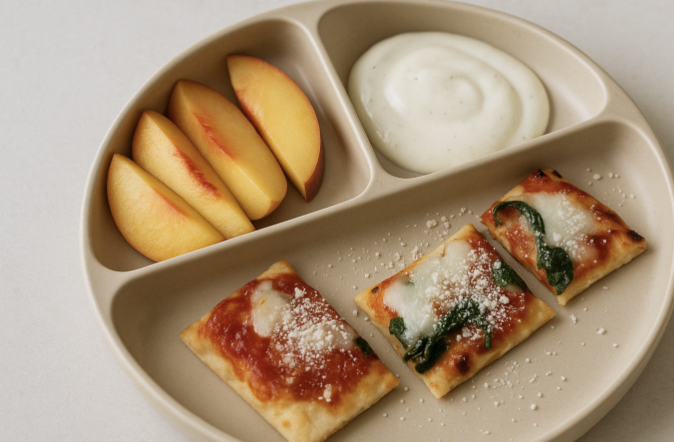
Flatbread Pizza Plate
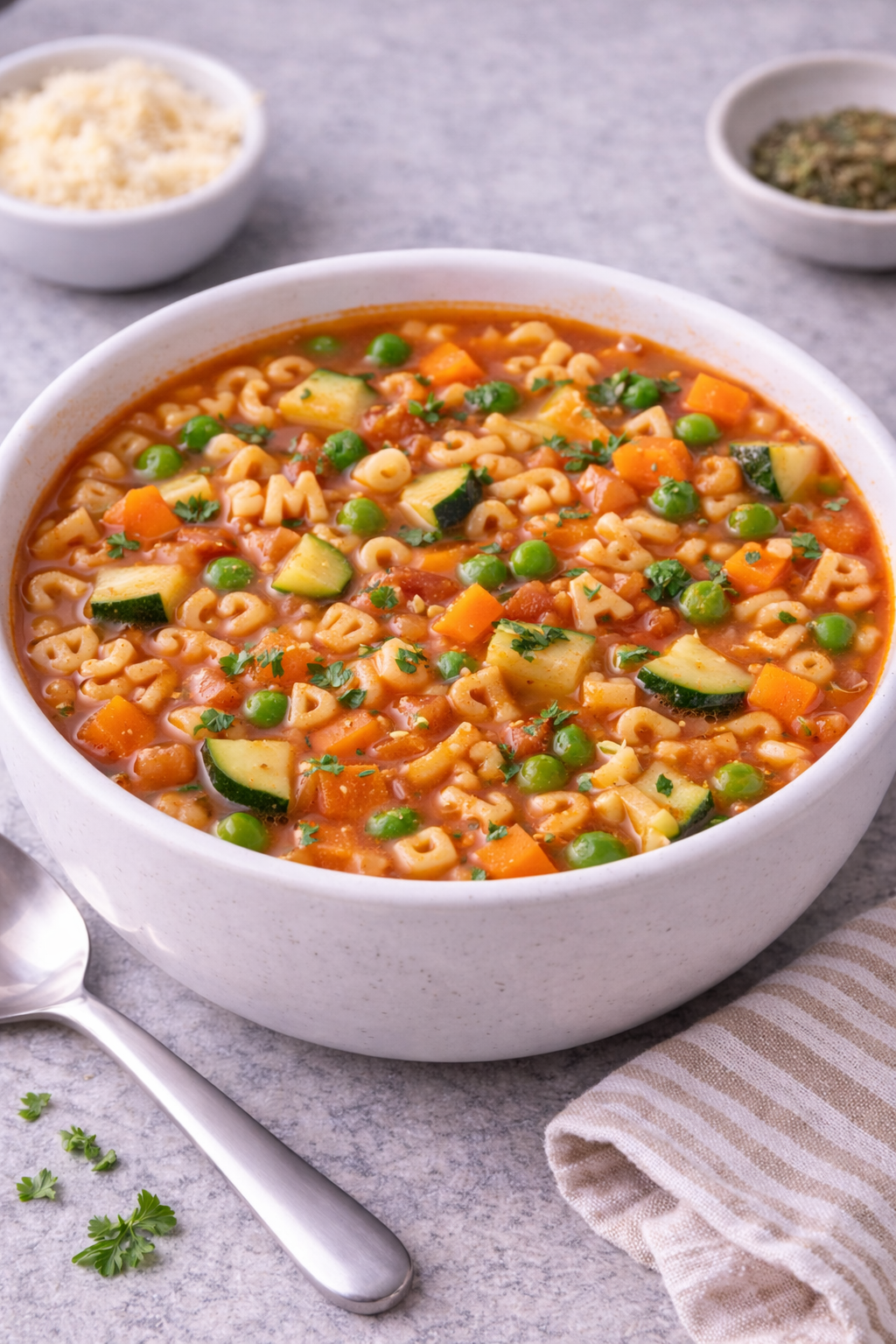
Alphabet Pasta Soup

Mini Chicken & Veggie Meatballs
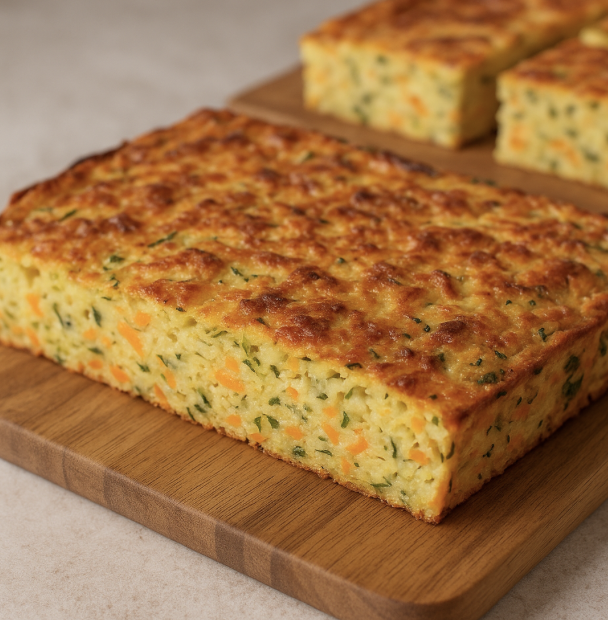
Zucchini Slice

Prawn Fried Rice
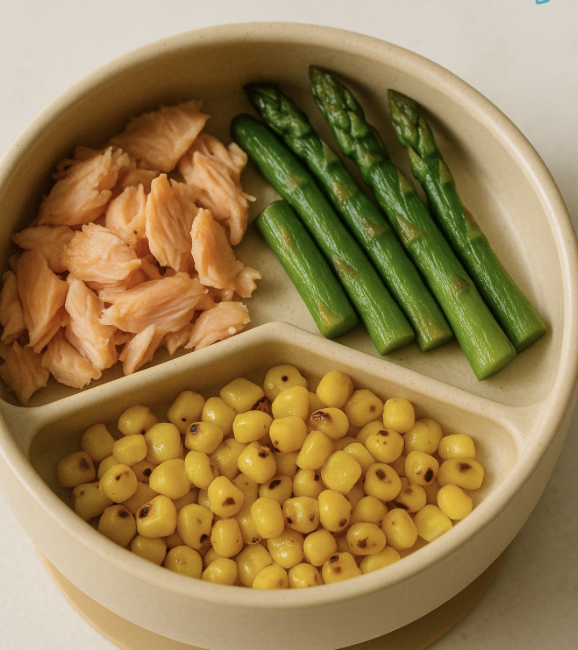
Roasted Salmon with Asparagus
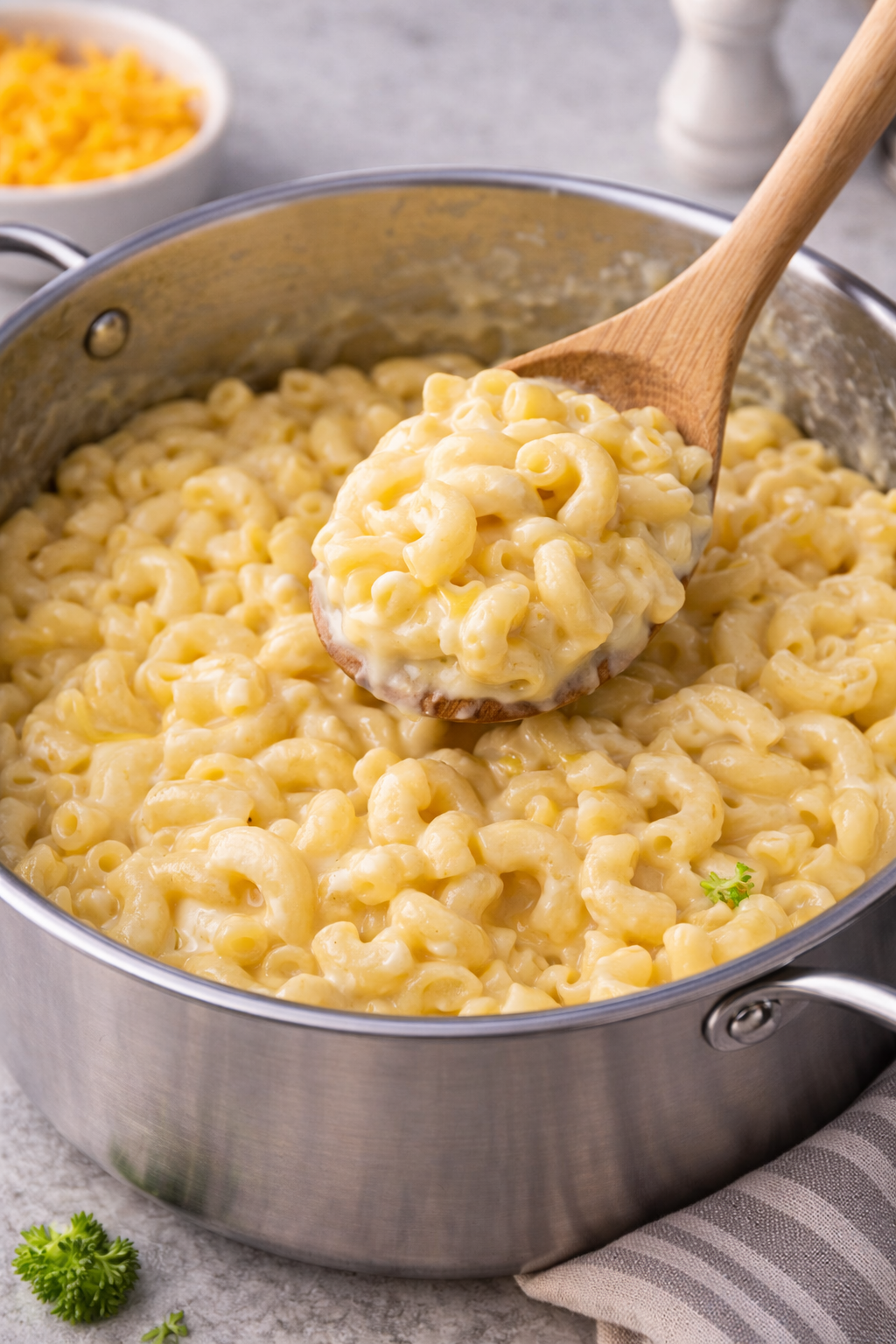
Cauliflower Mac & Cheese
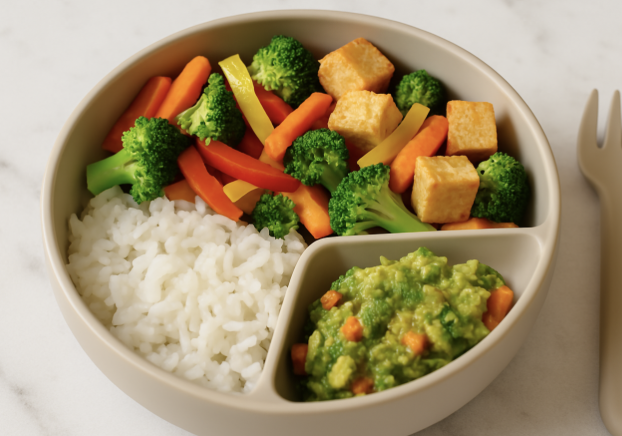
Veggie Stir‑Fry with Tofu
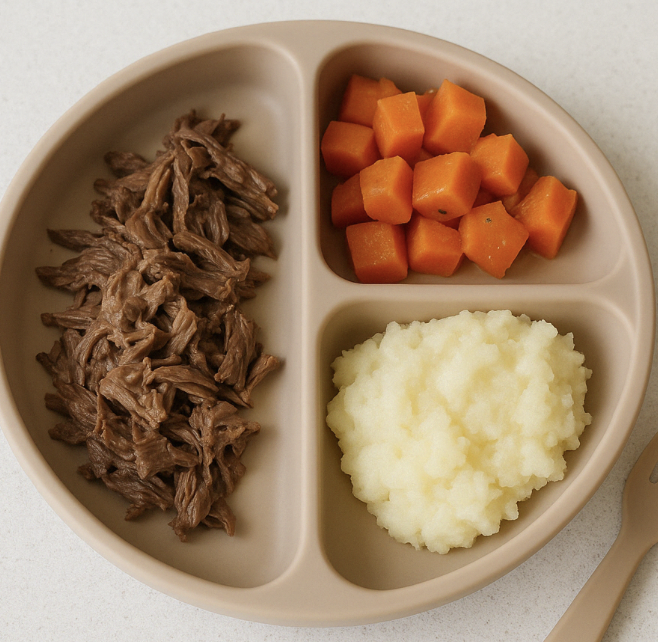
Pot Roast with Carrots & Mash

Broccoli Fritters
What not to do (kindly)
- No sneaking vegetables into everything as your only strategy, because exposure is how acceptance is built and hidden vegetables never get seen.
- No dessert as reward, which teaches that vegetables are the toll and sweets are the prize.
- No short‑order cooking a second meal, which turns refusal into a menu request system.
One family dinner, one safe food on the plate, and let repetition do the slow work.
When the thinking is done for you
These ten dinners come from Tiny Tummies and Kindy Kitchen, two of the six age‑banded meal plans inside Joyora, put together to take the guesswork out of what to cook on the nights you've got nothing left to give.
See a full real week first at Tiny Tummies, our toddler meal plan.
Frequently asked questions
How many times should I offer a food a fussy toddler refuses?
Keep offering calmly. Many children need ten to fifteen neutral exposures before accepting a new food, and some need more. Refusal today is data, not the final answer.
Is fussy eating a sign something is wrong?
Usually not, most fussy eating is a normal part of toddler development and tends to settle with time. If something feels different to ordinary fussiness, trust your instinct and check in with your GP or child health nurse, they're best placed to look at the full picture.
Ready to get started?
Weekly activities, recipes, and a planner that grows with your child.
Try Joyora free for 7 days.