5 Play-Based Activities for the Waiting Room (No Materials Needed!)
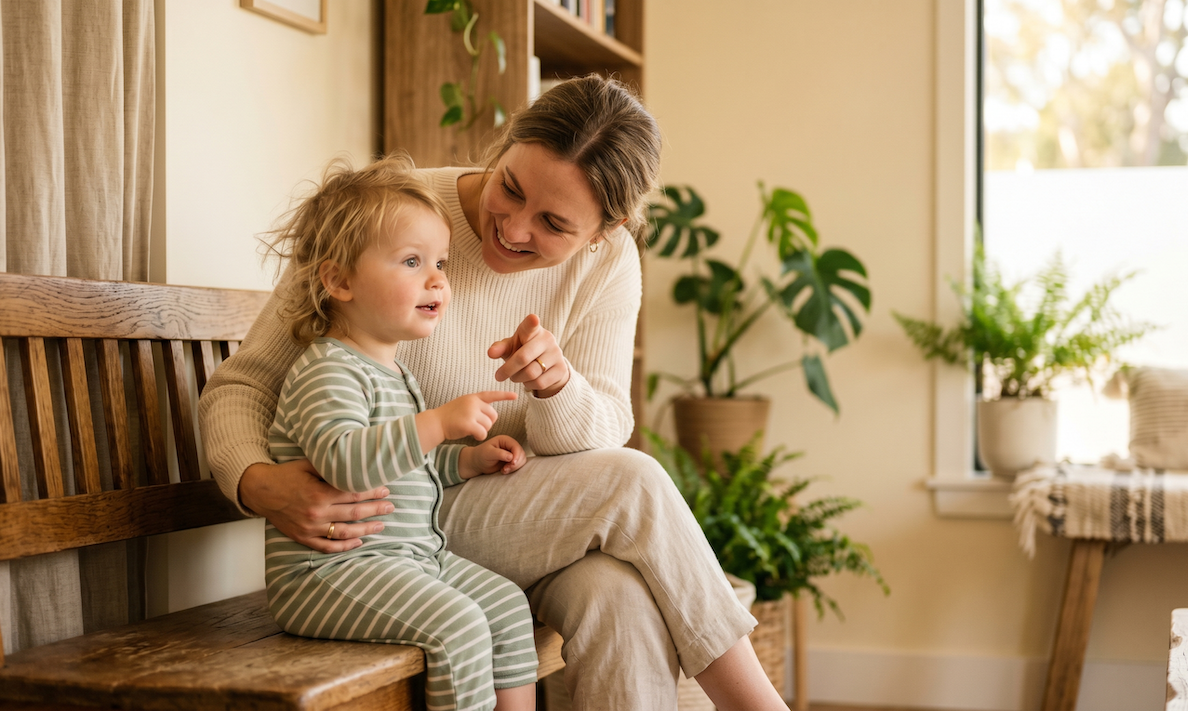
5 Play-Based Activities for the Waiting Room (No Materials Needed!)
Let’s be honest — the waiting room is one of those parenting moments that nobody puts in the brochure. Whether you’re at the GP, the hospital, a specialist appointment, or waiting for a sibling’s activity to finish, you’re often stuck in a small space with a child who has big energy, a short attention span, and absolutely no interest in sitting still.
But here’s the thing: waiting doesn’t have to mean surviving. With a little creativity and the right approach, even a plain waiting room can become a space for connection, laughter, and genuine learning through play.
The best part? You don’t need to pack a single thing.
Why Waiting Rooms Are Actually Perfect for Play
It might sound counterintuitive, but waiting rooms have something that most play environments don’t: zero distractions. There are no toys to fight over, no siblings to negotiate with, no kitchen to tidy while they play. It’s just you and your child, sitting together, with nothing but time and each other.
That simplicity is actually a gift. When children don’t have objects to rely on, their imagination takes the lead. They start noticing things — the texture of a chair, the sound of a door, the pattern on someone’s shoes. They become observers, inventors, and storytellers. And because you’re right there beside them with nowhere else to be, the connection that happens in those moments can be surprisingly deep.
Research in early childhood education consistently shows that play-based learning is most powerful when it’s child-led, language-rich, and embedded in real relationships. A waiting room, stripped of all the usual noise, creates exactly those conditions. No setup required. No cleanup afterwards. Just presence, curiosity, and a willingness to play.
The five activities below are rooted in these principles — they’re child-led, rich in imagination, socially engaging, and developmentally meaningful. They work across a wide age range, from babies and toddlers right through to eight-year-olds, and they require absolutely no materials, no preparation, and no space.
When children don’t have objects to rely on, their imagination takes the lead. Waiting rooms, stripped of all the usual noise, create the perfect conditions for connection through play.
Below, we’re sharing one of our favourite waiting room activities in full detail, plus four more ideas to try next time you’re stuck with time to fill.
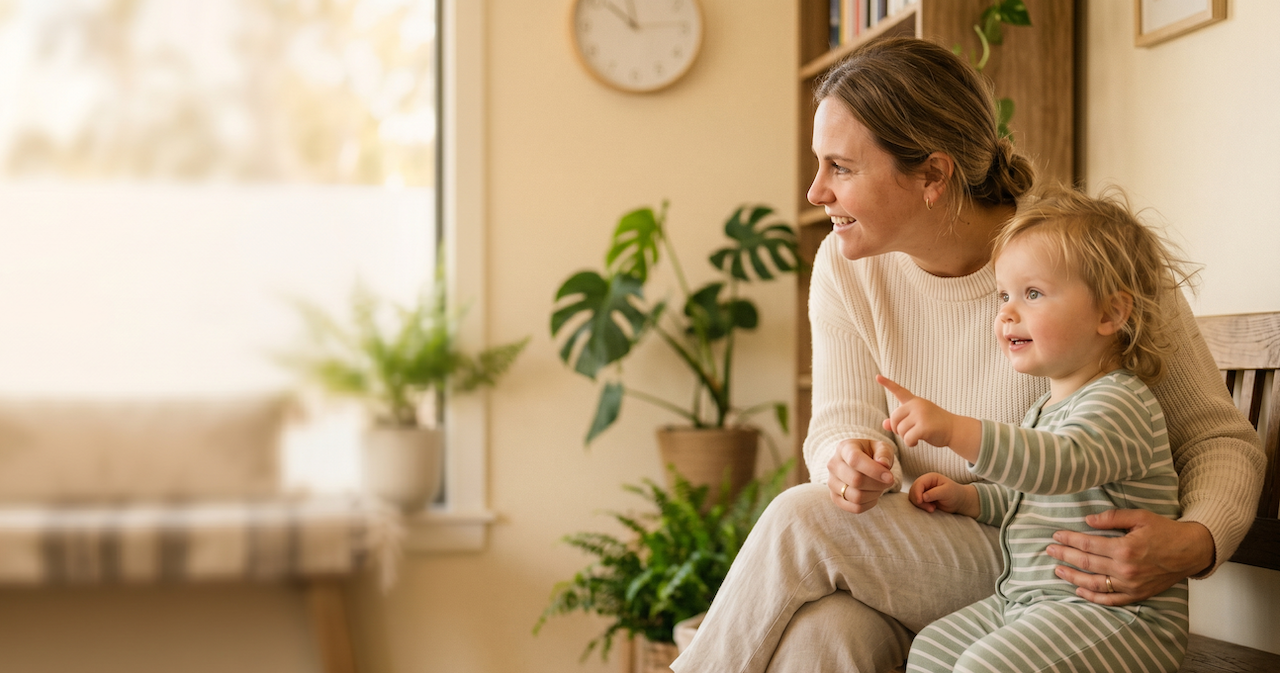
The Quiet Spy Game
This one is a firm favourite, and for good reason — it works instantly, requires nothing, and children ask for it again and again.
Start Simple
Begin with the classic: “I spy with my little eye, something beginning with… S.”
For younger children (ages 0–3), shift the focus from letters to colours, shapes, or textures: “I spy something soft,” or “I spy something round.” This makes the game immediately accessible while supporting early vocabulary development and sensory awareness.
Add Layers for Older Children
For older children, layer in complexity — “I spy something that is cold AND silver AND smaller than your hand.” Suddenly, the waiting room becomes a puzzle to solve. Multiple clues encourage children to hold several ideas in mind at once, which builds working memory and logical reasoning.
Beyond the Classic
Sound spy: “I can hear something — can you?”
Texture spy: “Can you find something bumpy without leaving your seat?”
Number spy: “How many chairs can you count? How many windows?”
What They’re Building
What looks like a simple guessing game is actually a rich learning experience. Children are developing observation and classification skills, building descriptive language, and practising sustained attention — all skills that underpin school readiness.

A Final Thought
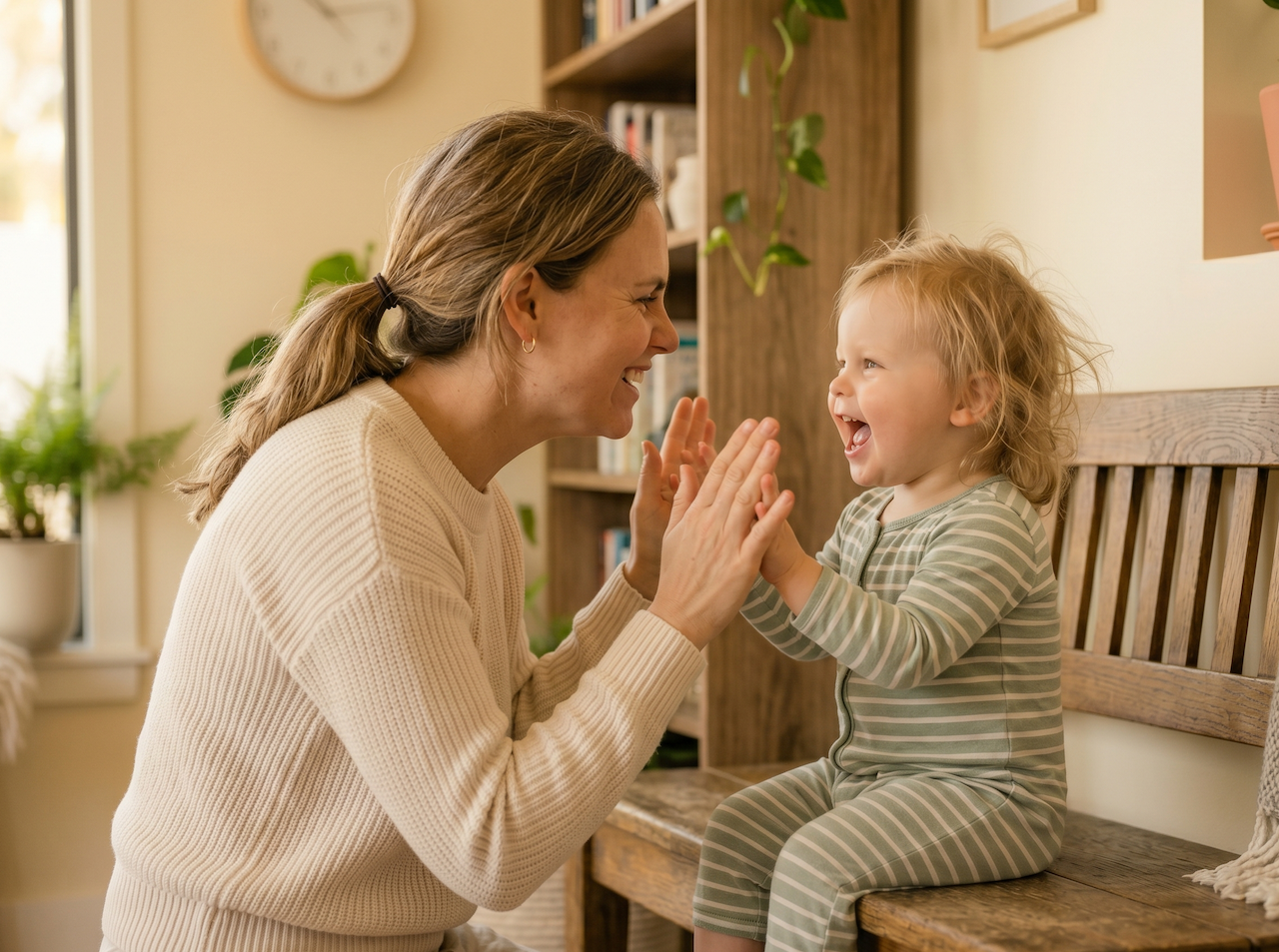
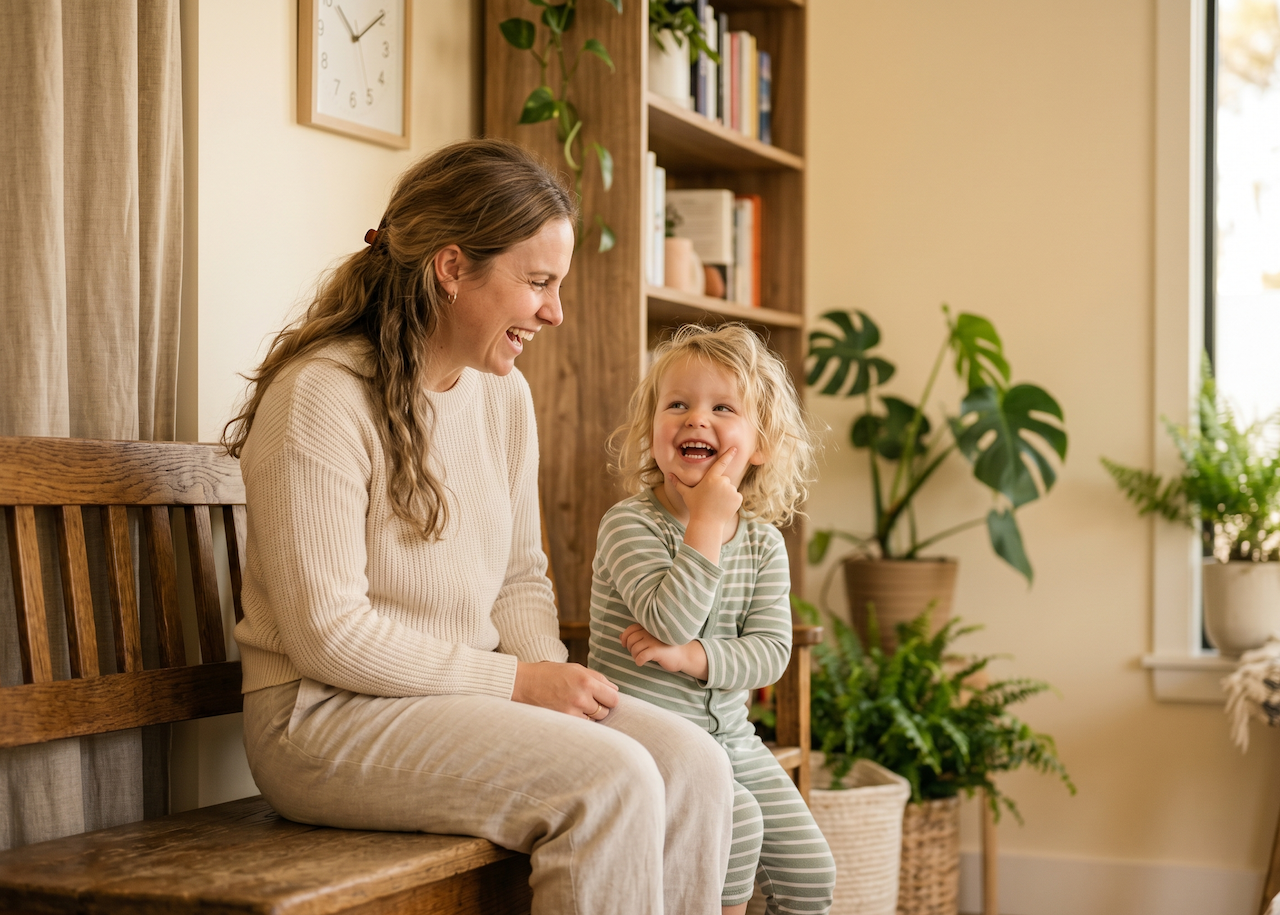
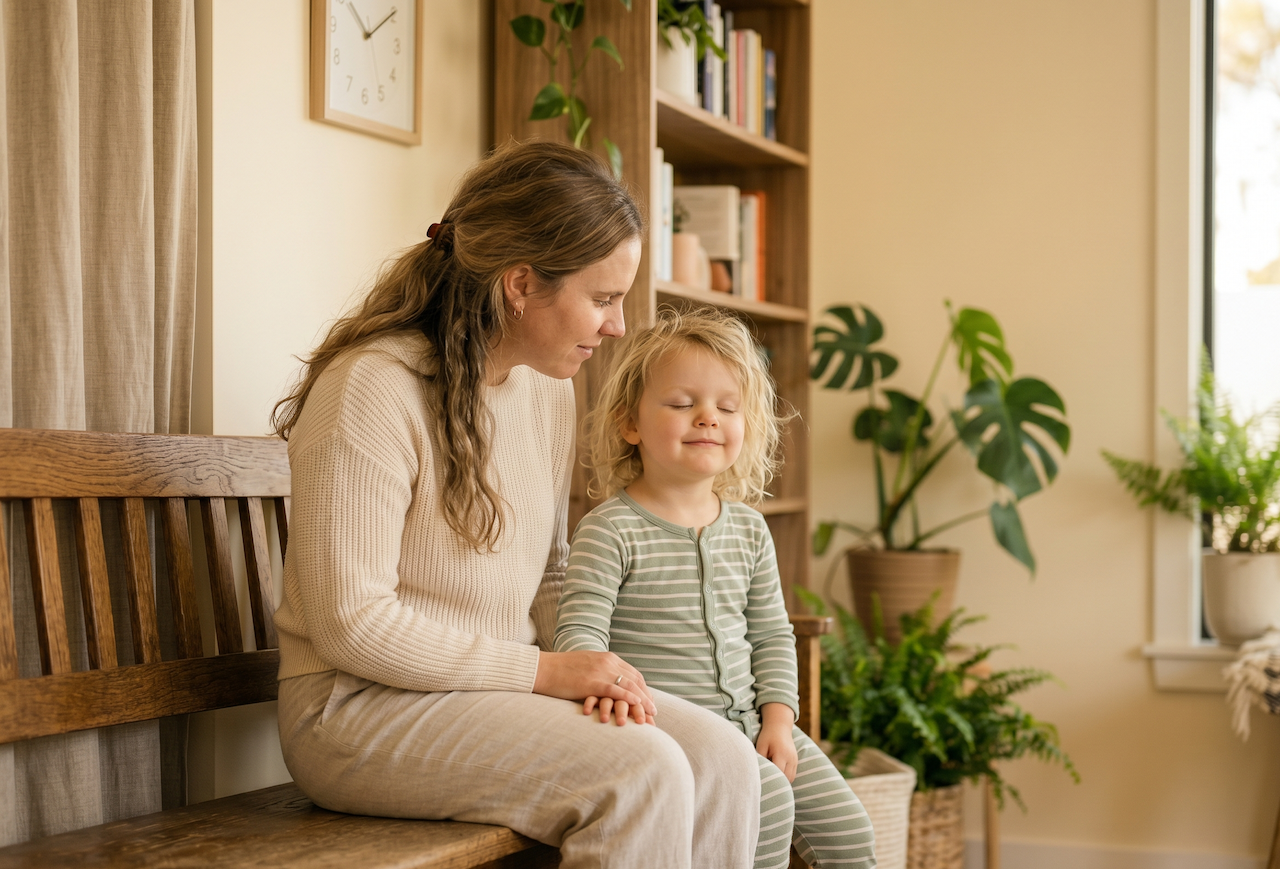
Nobody puts the waiting room in the parenting brochure. But some of the most connected, joyful moments between parent and child happen in exactly these kinds of spaces — small, quiet, unplanned. When you give yourself permission to stop surviving the wait and start playing through it, something shifts. The fidgeting settles. The clock stops mattering quite so much. And your child gets something far more valuable than entertainment — they get you, fully present, following their lead.
You don’t need to bring anything. You don’t need to prepare. You just need to be there, and to trust that play is always the right language — wherever you are.
“Learning doesn’t pause when life gets complicated. It just changes its setting.”
🌿